IPS vs. TN vs. VA: Choosing The Right LCD For Embedded And Industrial Devices
A technical comparison of IPS, TN, and VA LCD panel types for smart home, industrial, and embedded applications
The type of LCD panel—IPS, TN, or VA—affects how a display performs outside the lab. Your choice impacts viewing angles, color stability, power use, readability over time, and long-term availability.
If you’re designing security devices, smart home controls, industrial equipment, or battery-powered systems, selecting the right LCD type is less about choosing the best technology and more about matching tradeoffs to real operating conditions.
This article explains these tradeoffs in practical terms.
The Three Main LCD Panel Types: A Practical Overview
First, let's look at what sets IPS, TN, and VA apart.
IPS (In-Plane Switching)
IPS panels offer wide viewing angles and stable color reproduction. Colors and contrast stay consistent even from the side, making IPS a good choice when several people view the screen or when mounting angles change.
However, IPS panels usually need more backlight to match the brightness of other types. This can increase power use and heat, especially in small or battery-powered devices.
TN (Twisted Nematic)
TN panels have been used for decades and are still common in embedded systems. They usually have faster response times, use less power, and benefit from established supply chains.
The downside is that TN panels have narrower viewing angles and more noticeable color and contrast changes when viewed from the side. If you can control the viewing angle, TN is a practical choice.
VA (Vertical Alignment)
VA panels fall between IPS and TN. They provide higher contrast and deeper blacks, which helps in controlled settings. However, their viewing angles are narrower than those of IPS displays, and response times may be slower depending on the design.
Viewing Angles In The Real World
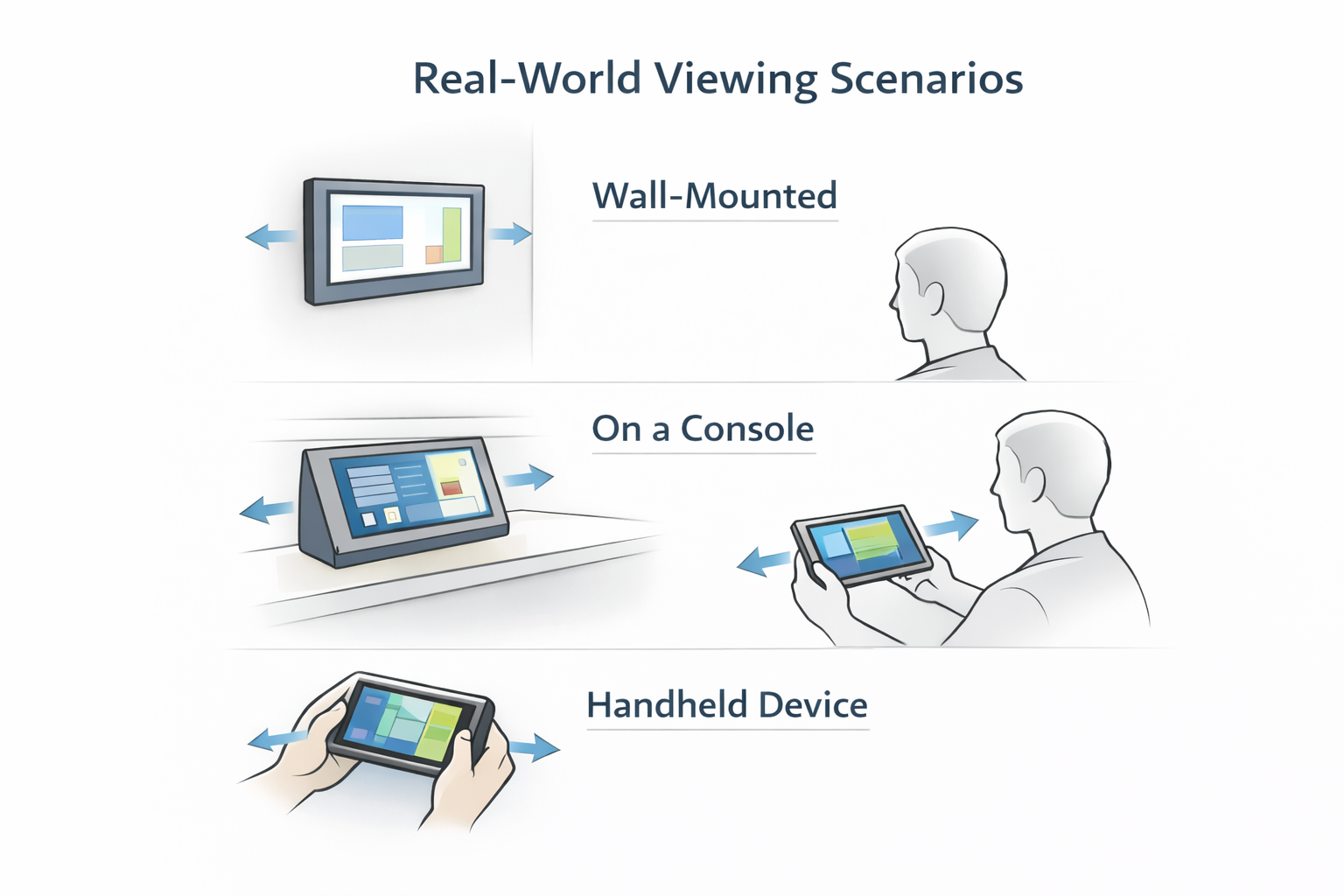
People rarely look at embedded displays straight on.
Devices like wall-mounted thermostats, access panels, industrial controls, and security systems are often placed above or below eye level. Users may glance at them while moving, standing to the side, or in tight spaces.
IPS panels are helpful here because their wide viewing angles reduce color inversion and contrast loss, making information easier to read from different positions.
But not every product needs wide viewing angles. For example, hand-held devices, fixed consoles, or equipment with set user positions work fine without them.
When choosing between VA, IPS, and TN, ask yourself: “How will people actually view this display during use?”
Power Consumption Tradeoffs
IPS panels often need brighter backlights to keep contrast and color consistent at wide angles. This means higher power use, which may not matter for plugged-in devices but is important for battery-powered ones.
TN panels can be readable with less backlight, making them a good choice for devices where battery life, heat, or always-on use are important.
For low-power applications, options such as MIP or transflective TFTs may perform better than IPS, especially when the display primarily shows static content or is used in bright light.
Readability, Contrast, And Environmental Conditions
Environmental factors like sunlight, glare, dust, temperature changes, and long-term use affect usability more than just contrast ratios.
People sometimes think IPS panels are easier to read outdoors, but wide viewing angles don't guarantee readability in sunlight. Without the right backlight, coatings, or optical treatments, even IPS displays can wash out in bright light.
VA panels can offer a strong contrast in controlled lighting, but this benefit often drops outdoors. TN panels, though limited in viewing angle, can still be readable with the right backlight and optical setup.
All displays change over time—backlights get dimmer, coatings wear out, and polarizers break down. To keep displays readable, consider how they will look years from now.
Touch Integration and LCD Panel Choice
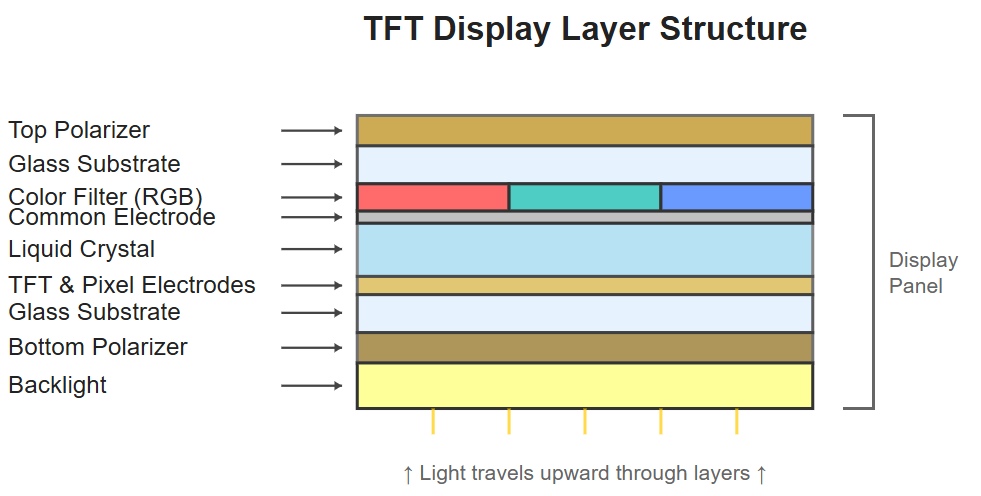
Capacitive touch is often used with IPS panels in smart home and consumer interfaces. However, it can have trouble in places where users wear gloves or where there is moisture or dirt.
Resistive touch is still common in industrial and security devices because it works well in tough conditions and can be used with many panel types, including TN and transflective displays.
In short, touch performance depends on several things, not just the LCD panel. The panel type, cover lens, coating, and controller settings all affect how well it works.
Lifecycle, Availability, And Long-Term Risk
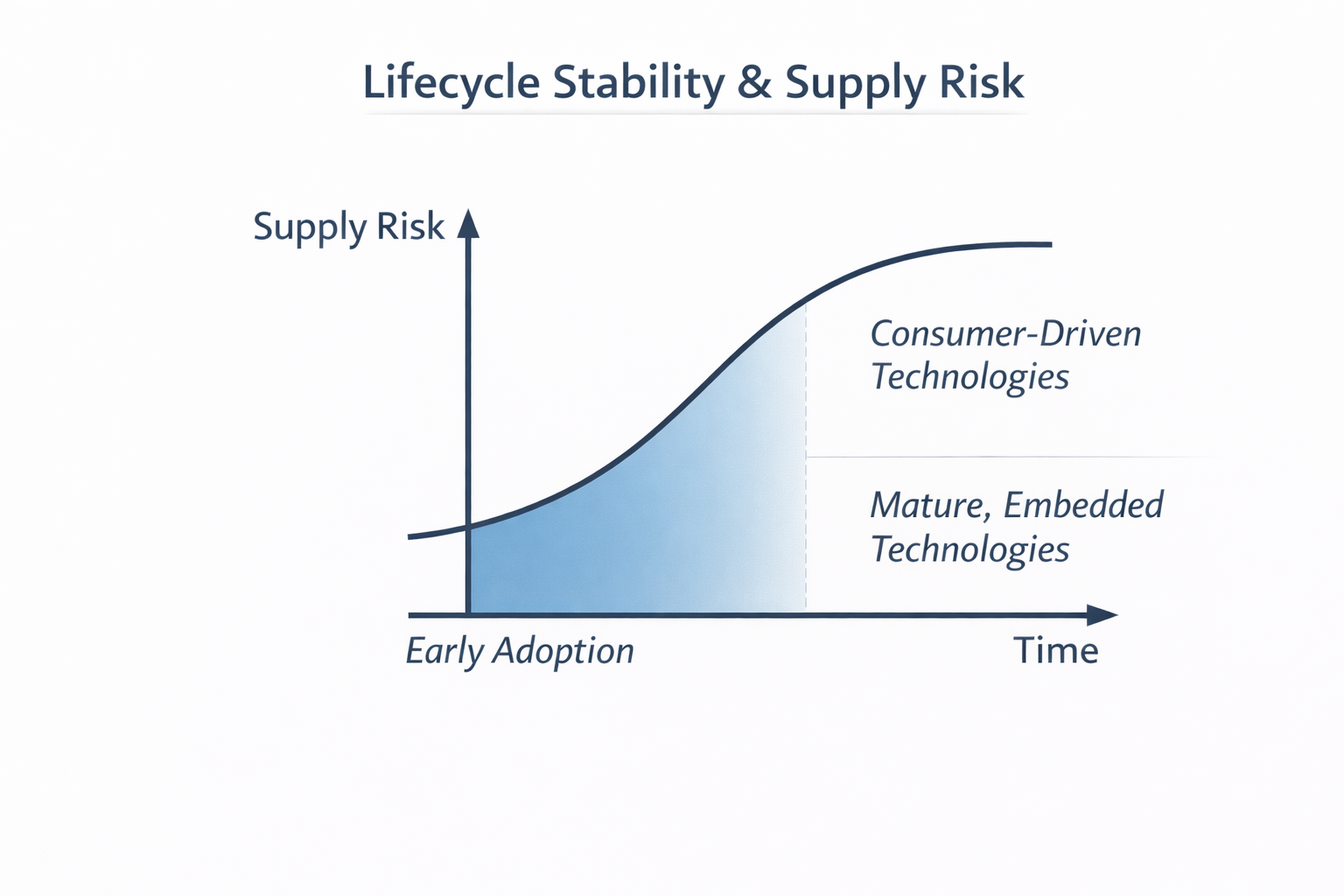
The supply chain also affects which panel you should choose.
Popular panel types used in consumer electronics can change quickly. High demand doesn't always mean long-term stability.
For embedded products that last for years or decades, mature technologies with flexible manufacturing are usually more reliable. Volume matters too—big projects have more influence, while smaller ones do better with widely supported technologies.
End-of-life risk is often due to business reasons, not technical ones. Changes in production lines or efficiency efforts can affect availability long before a technology is outdated.
Which LCD Type Fits Your Application?
- Smart home control panels:
IPS or transflective TFTs often perform well due to their viewing angles and design requirements.
- Hand-held or battery-powered devices:
TN, MIP, or transflective solutions offer better power efficiency and longevity.
- Industrial and security equipment:
TN or transflective panels paired with appropriate touch and coatings often deliver the most reliable results.
- Controlled lighting environments:
VA may be suitable where contrast is prioritized and viewing angles are predictable.
To Sum Up
Choosing between IPS, TN, and VA isn't about which one is best. None of them is always better than the others.
The best choice depends on how the device will be used, where it will operate, how long it will need support, and which trade-offs are most important.
Choosing a panel type that matches your needs results in more reliable products and fewer unexpected issues later.